The latest from Orbital Transports and the small satellite industry.
Discover how Spacemanic delivers end-to-end CubeSat missions through vertically integrated platforms, mission design, payload integration, and launch services for commercial, scientific, and educational space projects.
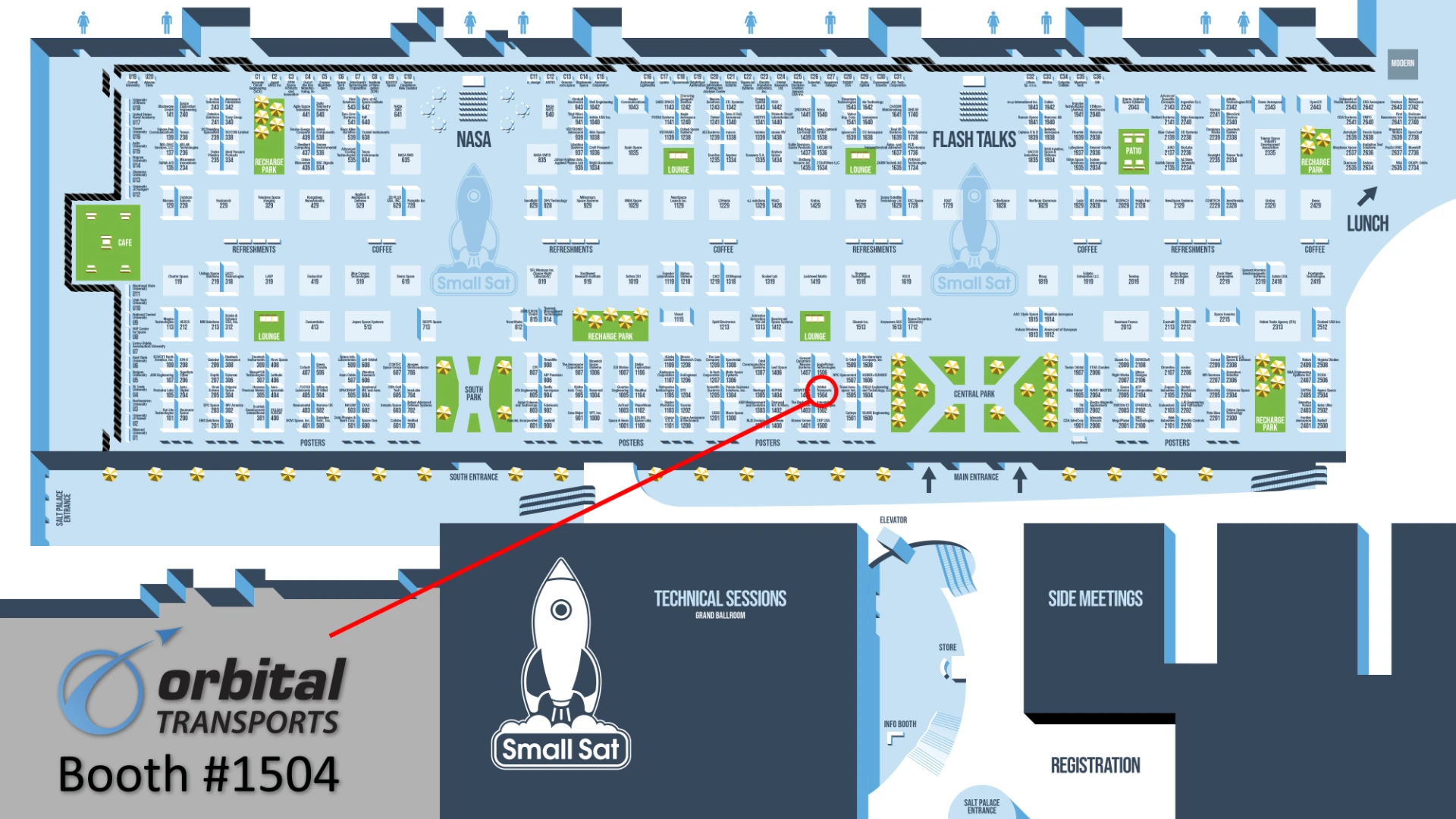
Orbital Transports is exhibiting at the 40th Annual Small Satellite Conference, August 23–26, 2026, at the Salt Palace Convention Center in Salt Lake City, Utah. Stop by Booth #1504 to talk about the latest in small satellite supply chain, hosted payload services, and SatSupply™.
Explore how Tensor Tech is redefining satellite attitude control with hybrid CMG technology, custom ADCS suites, and hardware-in-the-loop testing.
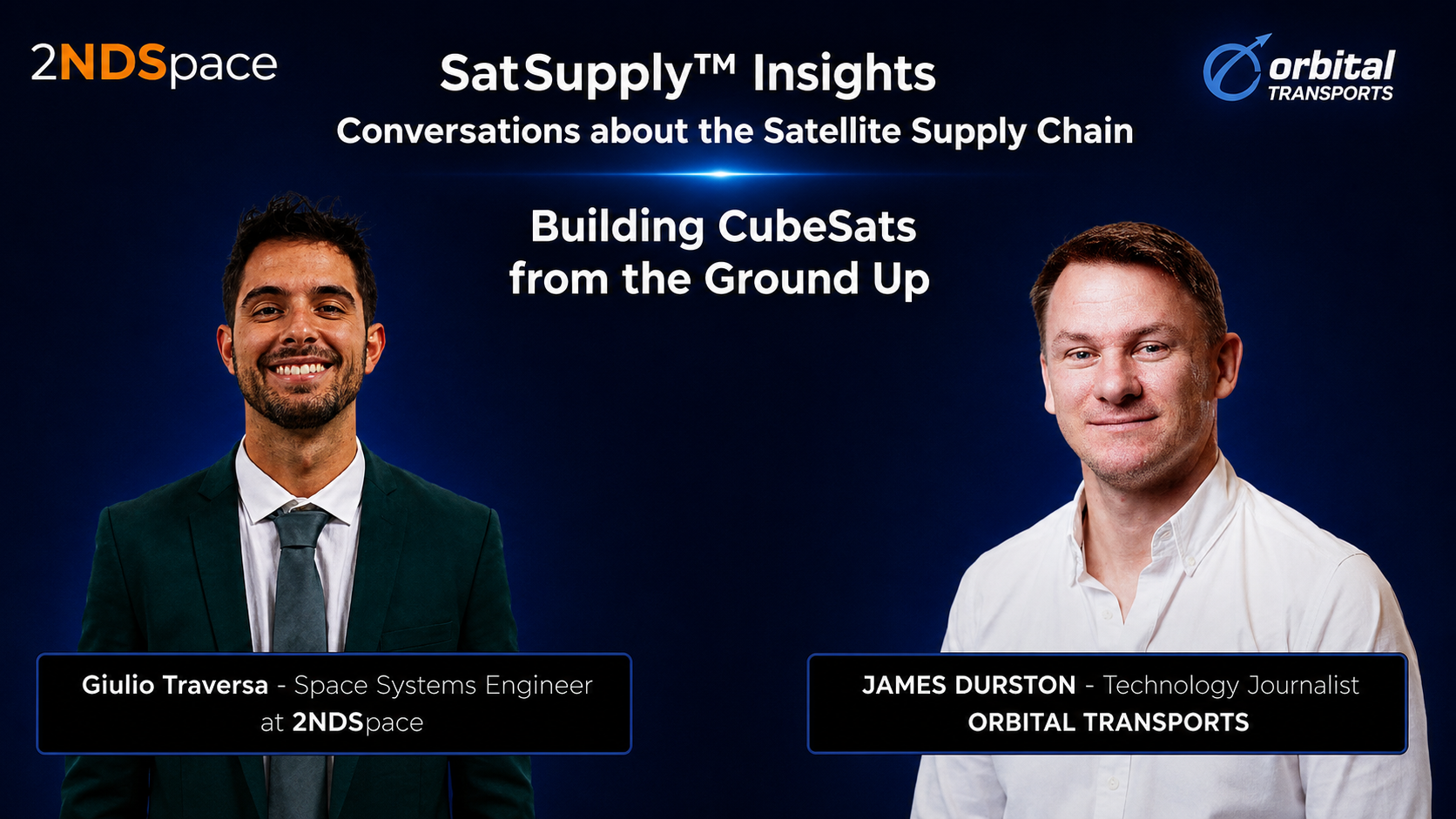
In a recent SatSupply™ Insights interview, James Durston spoke with Giulio Traversa, Space Systems Engineer at 2NDSpace, about how the company develops CubeSat platforms, solar panels, structures, antennas, and power systems. Rather than focusing solely on standard products, 2NDSpace emphasizes customization and engineering support, helping customers move from individual components to complete satellite platforms. As satellite missions become more complex, this flexible approach is becoming increasingly important.
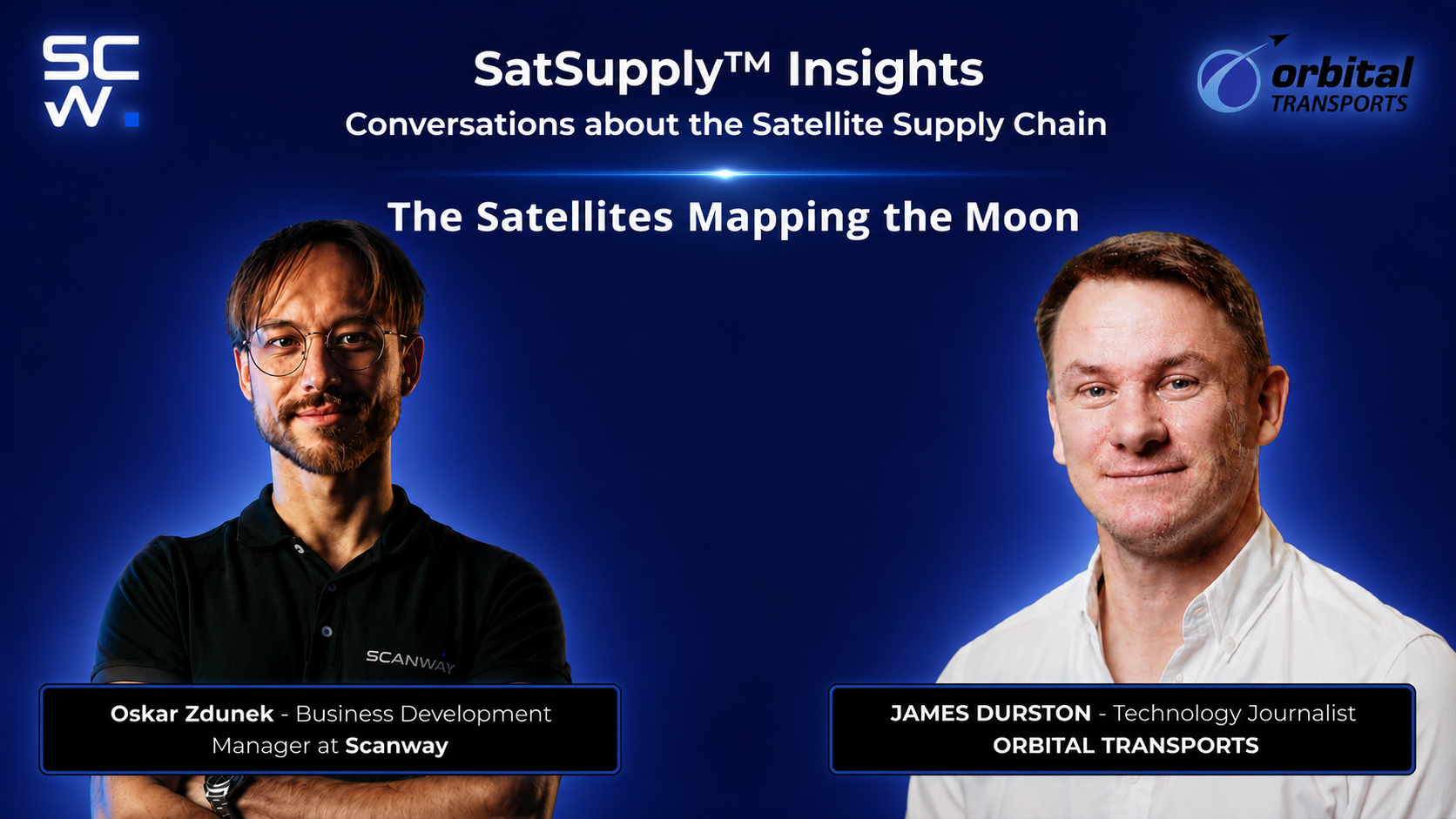
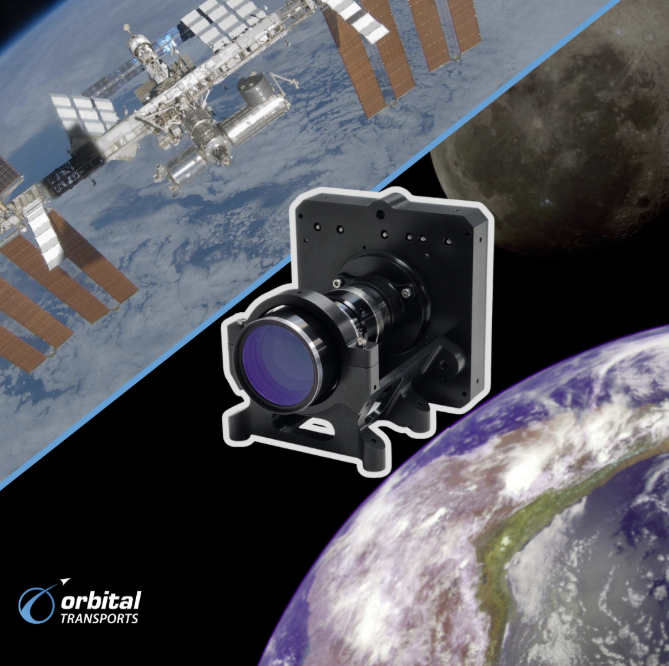
In a recent Orbital Transports SatSupply™ Insights interview, James Durston spoke with Oskar Zdunek, Business Development Manager at Scanway Space, about how optical payloads are evolving beyond traditional Earth observation. Scanway, a Polish optical company with more than ten years in the market, develops modular imaging systems for Earth observation, lunar exploration, space situational awareness, and in-orbit servicing.
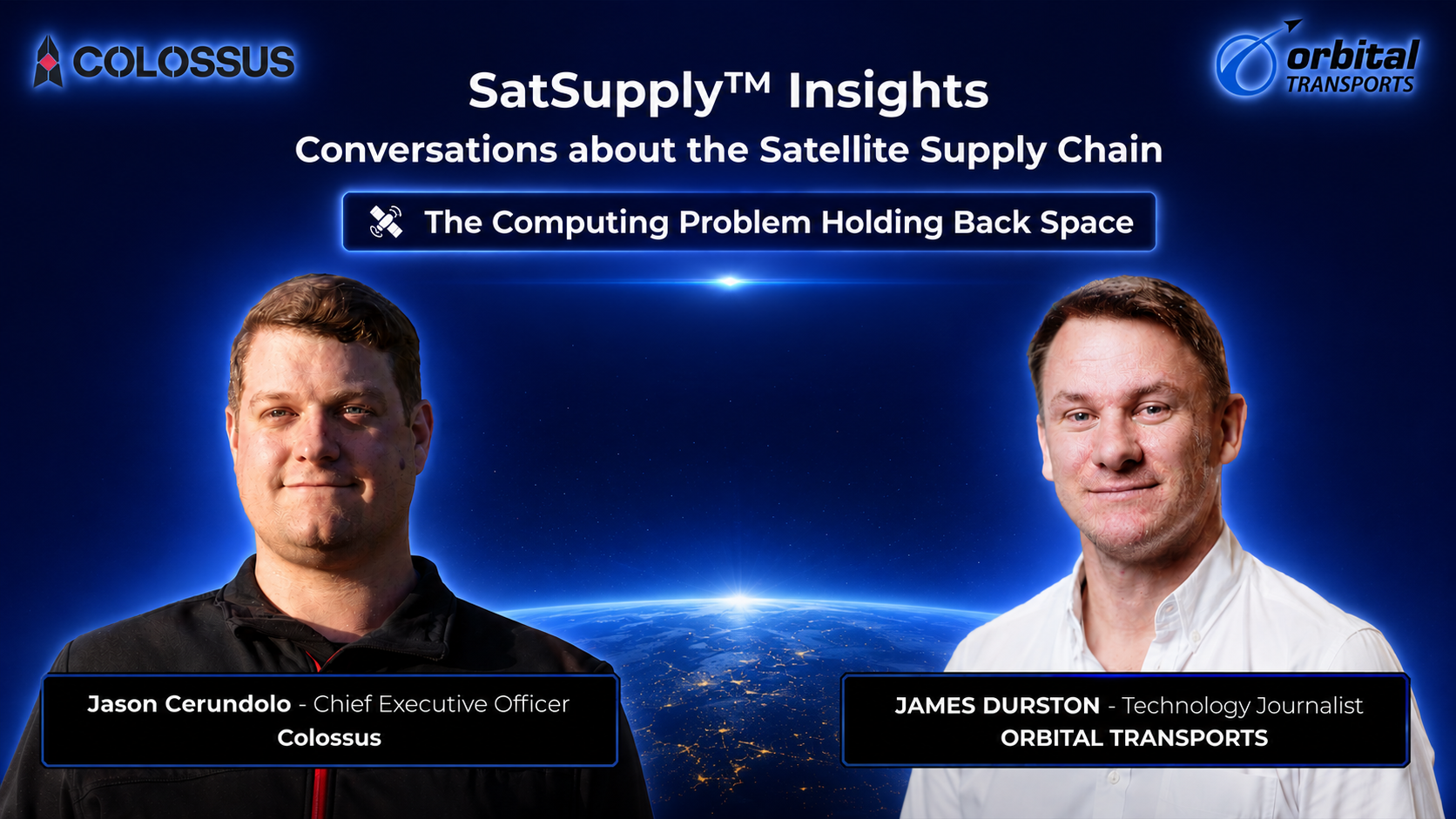
Onboard satellite computing lets modern GPUs run in orbit, cutting downlink data by up to 10,000:1. Colossus CEO Jason Cerundolo explains how it works.
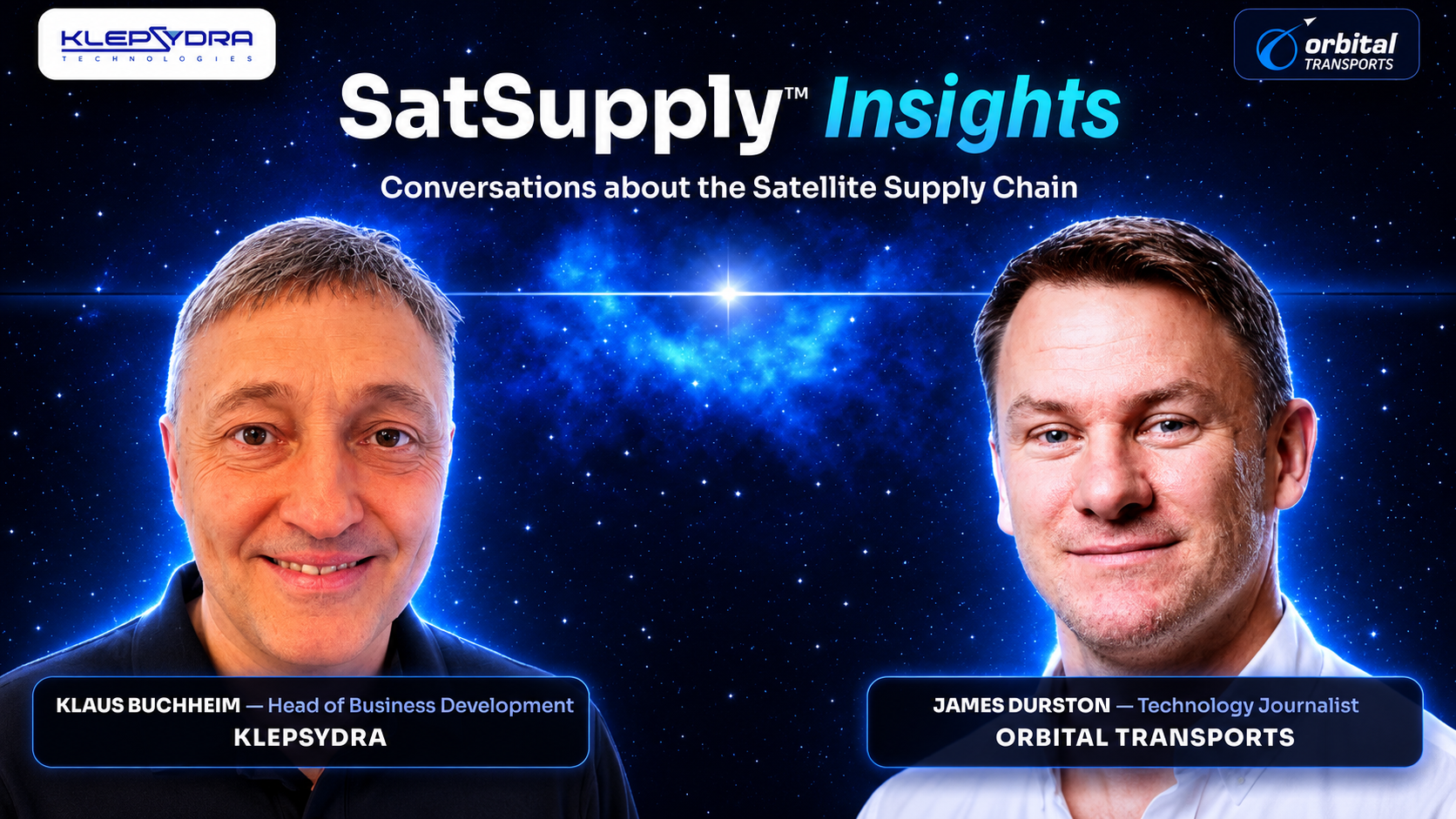
Klepsydra runs AI fast on satellites using lock-free code borrowed from high-frequency trading - software-only inference on rad-hard space processors.
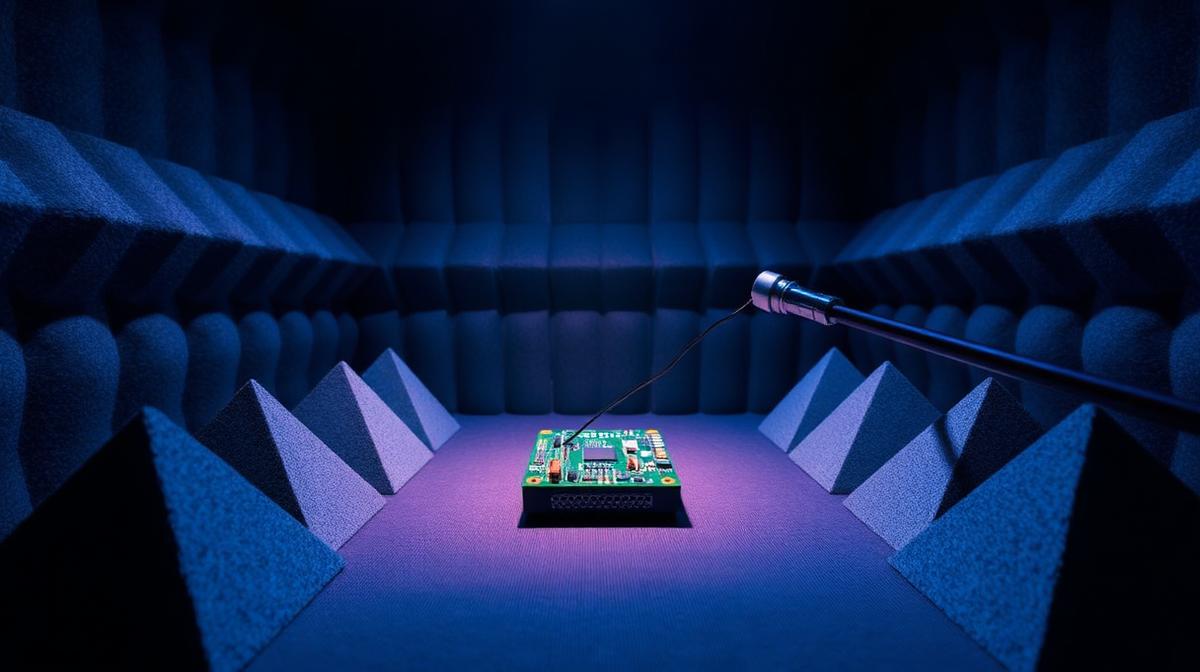
Comprehensive guide to electromagnetic interference and compatibility testing for CubeSats and small satellites, covering test methods, common EMI sources, and qualification standards.
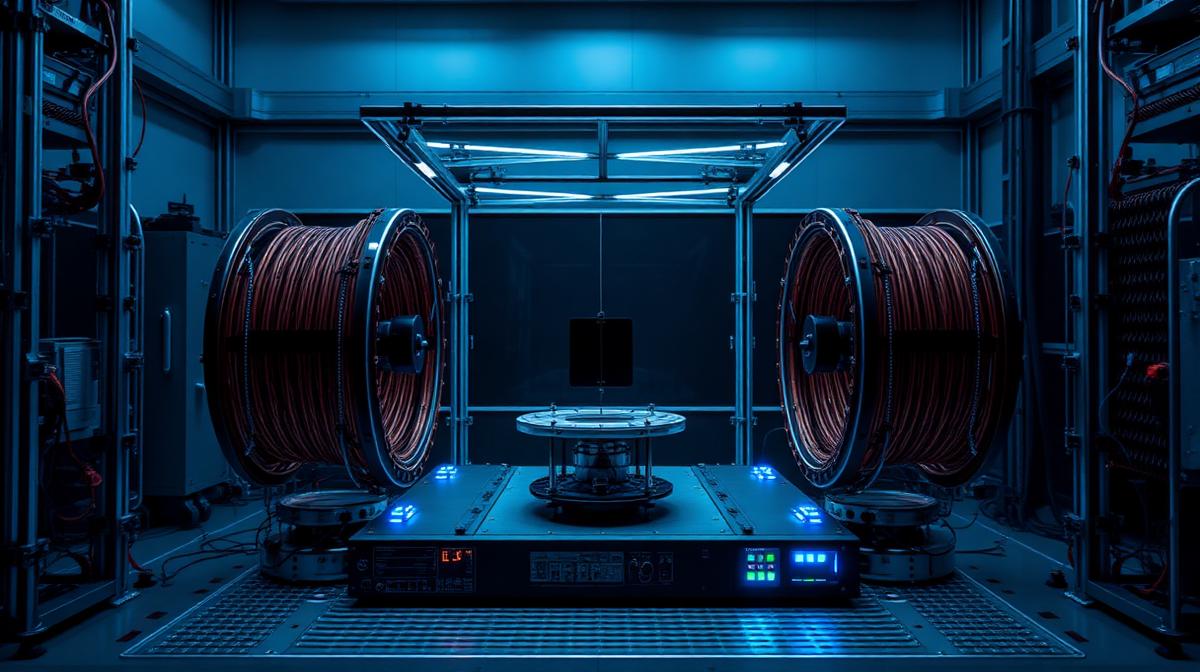
Learn how Helmholtz cage-based magnetic testbeds enable hardware-in-the-loop ADCS verification for CubeSats and small satellites, from design to calibration.
Learn how satellite companies manage launch logistics, hardware transport, export compliance, and payload integration for successful missions.
Explore how microsatellite-scale imagers are enabling high-resolution multispectral and hyperspectral Earth observation for applications from environmental monitoring to defense.
Learn about atmospheric correction methods for Earth observation imagery, including the CMAC algorithm that enables accurate surface reflectance retrieval from small satellite data.
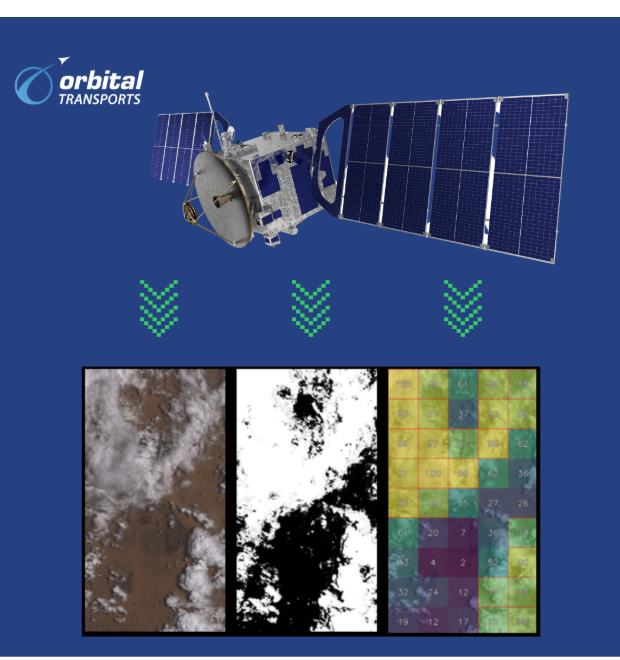
Learn how AI-powered cloud detection on satellites uses quantized CNNs and FPGAs to filter cloudy imagery onboard, reducing bandwidth usage and improving Earth observation efficiency.
Learn how engineering cameras enhance space missions through visual feedback for navigation, docking, deployment monitoring, and anomaly detection. Guide to selection criteria and use cases.
Understand the challenges of processing Earth observation imagery and calibrating optical sensors on small satellites, from pre-launch calibration to cloud-based processing pipelines.
Explore innovations in CubeSat solar array technology including origami-inspired designs, advanced deployment mechanisms, and power generation capabilities for small satellites.
Learn how to evaluate and select the right flight software for your satellite mission. Covers learning curves, flight heritage, testing tools, language compatibility, and hardware integration.
Explore how machine learning transforms fault detection and prediction in small satellite systems, from data-driven anomaly isolation to hybrid physics-ML approaches.
Celebrate Thanksgiving with Orbital Transports! Discover our tongue-in-cheek lineup of space-themed holiday acronyms from the SmallSat Catalog.